
Subscribe to our Newsletter

Model No: GGJ
GGJ Low-Voltage Reactive Power Intelligent Compensation Device
CANGO supplies GGJ low-voltage reactive power intelligent compensation devices for LV power systems. Send rated data, drawings and quantity for quote.
Quantity :
CANGO Product Detail
GGJ Low-Voltage Reactive Power Compensation | CANGO
Power Quality and DC Systems for B2B Electrical Projects
GGJ Low-Voltage Reactive Power Intelligent Compensation Device is supplied for low-voltage reactive power compensation. CANGO reviews rated data, drawings, quantity, destination, and configuration notes before quotation.
Model
GGJ
Category
Power Quality and DC Systems
Application
Low-voltage reactive power compensation
Supply Type
Project quotation and technical support
Product Overview
GGJ low-voltage reactive power intelligent compensation device is used in low-voltage power grids for reactive power compensation. It is commonly used for low-voltage reactive power compensation and power factor improvement projects, with the final selection based on rated data, drawings, and site conditions.
electrical contractors, industrial plant engineers, EPC companies, maintenance teams, and project distributors can request configuration review for low voltage power compensation device. Please send system voltage, compensation or filtering capacity, control logic, monitoring requirements, cabinet quantity, and wiring diagram, quantity, destination, and any project standard requirements for quotation.
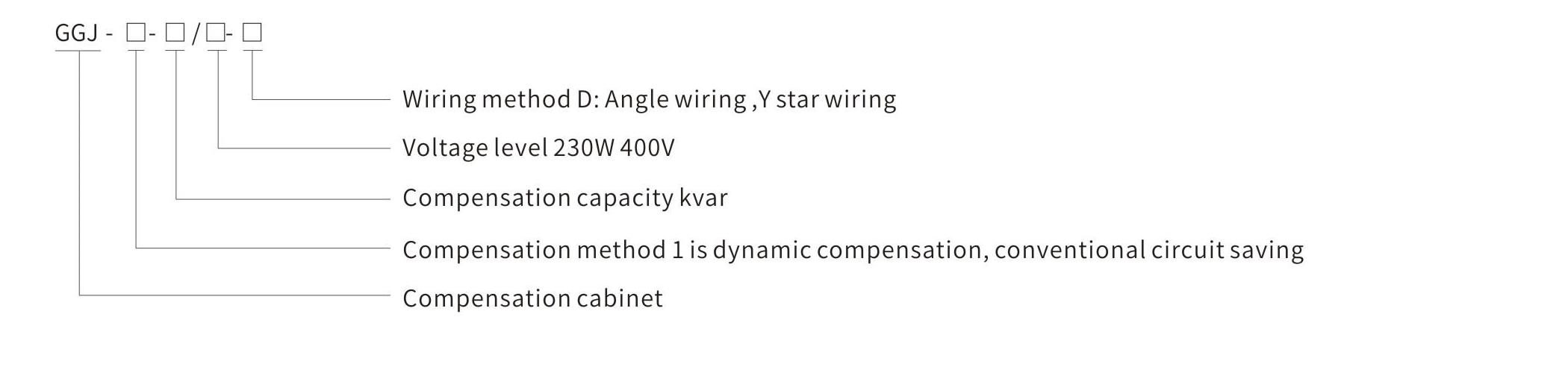
Model and Meaning
Key Features
01
Power Stability
GGJ: The system can support compensation, filtering, control power, or monitoring needs according to project operating conditions. This point is especially relevant to low voltage power compensation device.
02
Monitoring Options
Controller, communication, metering, and alarm requirements can be reviewed before final configuration. For GGJ, check this together with the selected project scheme.
03
Project-Matched Capacity
Capacity, current, voltage, and control logic should be selected according to the distribution system data. On GGJ, confirm the application duty, site layout, and project standard before selection.
04
Reliable Operation
Protection, ventilation, wiring, and cabinet layout are checked together for stable long-term operation. Use the GGJ drawings and rated data to confirm this point before quotation.
05
Technical Review
Drawings and system parameters help confirm whether the solution matches the actual electrical environment. For GGJ, review this with low voltage power compensation device and the final installation plan.
Technical Specifications
GGJ Technical Parameter Table
Review the GGJ rated data, selected configuration, and project requirements before quotation.
| Group | Item | Unit | Parameter |
|---|---|---|---|
| Rated voltage | kV | 0.38-0.66 | |
| Rated frequency | Hz | 50 | |
| Compensation capacity | kV | 1-600 kvar | |
| Voltage range | 0.85-1.1 times rated voltage | ||
| Current | 1.3 times rated current | ||
| Control circuits | 1-16 circuits | ||
| Switching time | 1-150 s adjustable | ||
| Working mode | Automatic continuous operation |
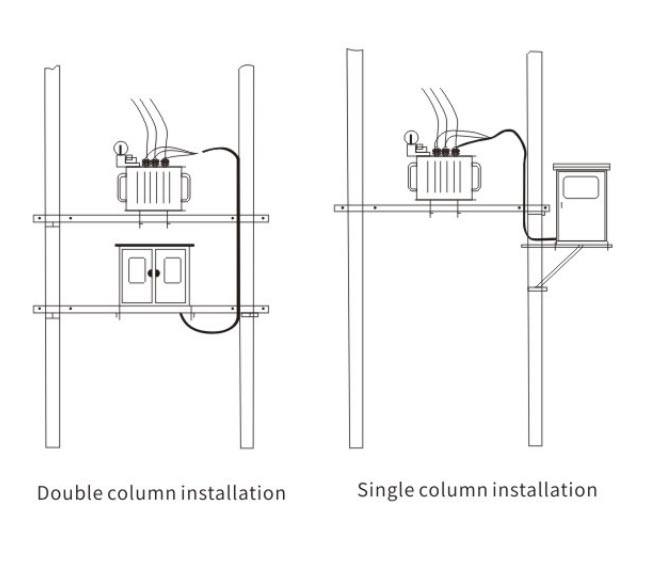
Installation Dimensions / Drawing
Applications
GGJ is mainly selected for low-voltage reactive power compensation and power factor improvement projects. The final application should match the confirmed low voltage power compensation device, rated data, and site installation conditions.
- Low-voltage reactive power compensation
- Power factor improvement projects
- Distribution systems requiring compensation control
Customization Options
Control Mode
Automatic control, manual control, communication, and monitoring options can be reviewed with the project wiring diagram. Apply this review to GGJ and its low voltage power compensation device.
Capacity Selection
Compensation, filtering, DC output, or monitoring capacity should be matched with system voltage and load condition. Apply this review to GGJ and its low voltage power compensation device.
Protection Devices
Fuse, breaker, surge protection, overvoltage, undervoltage, and alarm options can be selected by application. Apply this review to GGJ and its low voltage power compensation device.
Cabinet Layout
Ventilation, wiring path, component arrangement, and maintenance access should be checked before final production. Apply this review to GGJ and its low voltage power compensation device.
Monitoring and Stability
Monitoring Review
Controller, display, communication, alarms, and system monitoring options can be reviewed by project requirements. Apply this review to GGJ and its low voltage power compensation device.
Stability Support
Compensation, filtering, DC control power, and protection functions should match the site operating condition. Apply this review to GGJ and its low voltage power compensation device.
Efficiency and Reliability
Efficient Operation
Capacity, control logic, switching method, and load profile should be checked to support stable operation. Apply this review to GGJ and its low voltage power compensation device.
Reliable Layout
Ventilation, wiring, component arrangement, and protection devices should be confirmed before final cabinet production. Apply this review to GGJ and its low voltage power compensation device.
Ordering Instructions / Information Required for Quotation
ForGGJ, send system voltage, compensation or filtering capacity, control logic, monitoring requirements, cabinet quantity, and wiring diagram, quantity, destination, and the expected delivery schedule. The engineering review will be based on the selected low voltage power compensation device and project drawing.
ORDERING INSTRUCTIONS
- Confirm transformer rated capacity, secondary-side rated voltage, and current-transformer ratio.
- Provide reactive-load status, natural power factor, compensated-system current, fluctuation range, and load characteristics.
- Confirm device model, type, quantity, enclosure material, enclosure color, and indoor-cabinet or outdoor-pole installation method.
Technical Support & Documentation
Series Technical DocumentRequest the series technical document for low voltage reactive power compensation cabinet supplier and compare GGJ with related models and confirmed technical data.Project Technical SupportSend project data for intelligent capacitor compensation device manufacturer so CANGO can review rated values, configuration notes, and application conditions.Send Single Line DiagramShare the single-line diagram or layout when checking low voltage power factor correction cabinet factory for the selected GGJconfiguration.Engineering ConsultationDiscuss site conditions, documentation needs, and quotation details for automatic compensation panel exporter.
FAQ
Related Products
APF Active Power FilterAPF Active Power Filter for harmonic control.TBBZ High-Voltage Reactive Power Automatic Compensation DeviceTBBZ High-Voltage Reactive Power Automatic Compensation Device for high-voltage reactive power compensation.GZDW DC Power Supply CabinetGZDW DC Power Supply Cabinet for power plants and substations.
Contact / Inquiry CTA
Send project data for GGJ. The fields below are the recommended information for quotation and technical review.
Use the buttons below to send the project request by email or open the contact page. If you have drawings, attach the file in the email or share a file link in the message.
Request Quotation for GGJ
This is project-based power distribution equipment. Share the single-line diagram, rated data, cabinet arrangement, quantity, and destination, and CANGO will review the configuration before quotation.


